Sulver's Journey: A Published Comic, Faithfully in Motion
Sulver's Journey is an indie fantasy-adventure comic by publisher Vincent Acampora. Summoned by the ancient Magic Eye, the warrior Sulver runs a gauntlet across Mount Oro to stop the battle-obsessed Borge, leaning on his friends, his instincts, and the fragments of a past he can't quite place.
At a glance
| Project | Sulver's Journey, an indie fantasy-adventure comic |
|---|---|
| Creator | Vincent Acampora, indie publisher (comic art by Gilbert Monsanto; game art by Leonel Anciani Oria) |
| Source material | A published comic. Finished pages, established characters, a settled palette |
| Deliverable | An animated opening sequence: the first beat of the Sulver's Journey script |
| Runtime | 2 minutes 30 seconds |
| Turnaround | Quoted at 3 to 5 business days. The animation itself generated in under 8 hours |
| Fidelity | Animated to match the original art, delivered with a written fidelity report |
| Ownership | 100% kept by the creator. CurtainCall holds no rights |
The brief: honor a book that already exists
Jancroon was the hard case: a world built from concept art, with no finished book to anchor to. Sulver's Journey is the opposite, and it's the situation most studios are actually in. The comic is already published, with finished art, a settled palette, and characters readers know by heart.
That flips the job. When a book is already out in the world, you're not inventing the look. You're guarding it. The line weight, the colors, the way Sulver plants his feet before a fight: all of it is set. Fans carry a version in their heads, and if you drift even a little, the animation reads as a knockoff of the creator's own work.
So the bar here was faithfulness, not interpretation. Take Vincent's pages and put them in motion without losing a single thing that made them his.
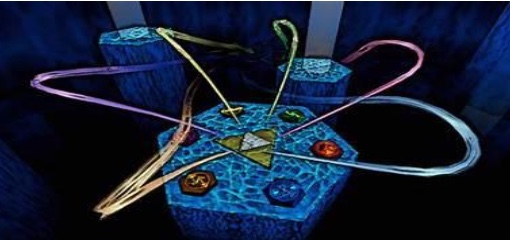
Even the setting came with a brief. The Magic Eye's chamber, where Sulver is summoned, was designed off a reference the IP owner pointed to directly: the medallion pedestals of classic Zelda. Our job was to honor that lineage and build a room you could actually pan across.

The approach: match the book, then move it
We worked straight from the published art. Geometry Lock, our process for holding a character's identity steady, was pointed at Vincent's existing pages: same line weight, same palette, the same Sulver from panel to frame. The goal was never a fresh take on the comic. It was the comic, moving.
Vincent kept the pen the whole way. He reviewed the storyboard before anything animated, and signed off on the look before a single frame rendered. Nothing moved until it matched the book he'd already published.
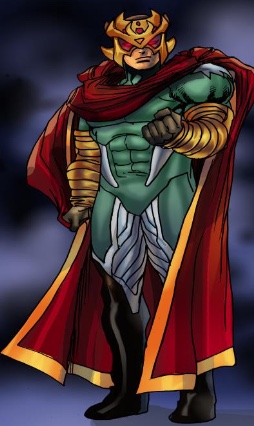
 Original art · Sulver (Gilbert Monsanto)
We didn't reinterpret Sulver's Journey. We animated the book Vincent already made, and we kept it his.
The cast had to survive the jump
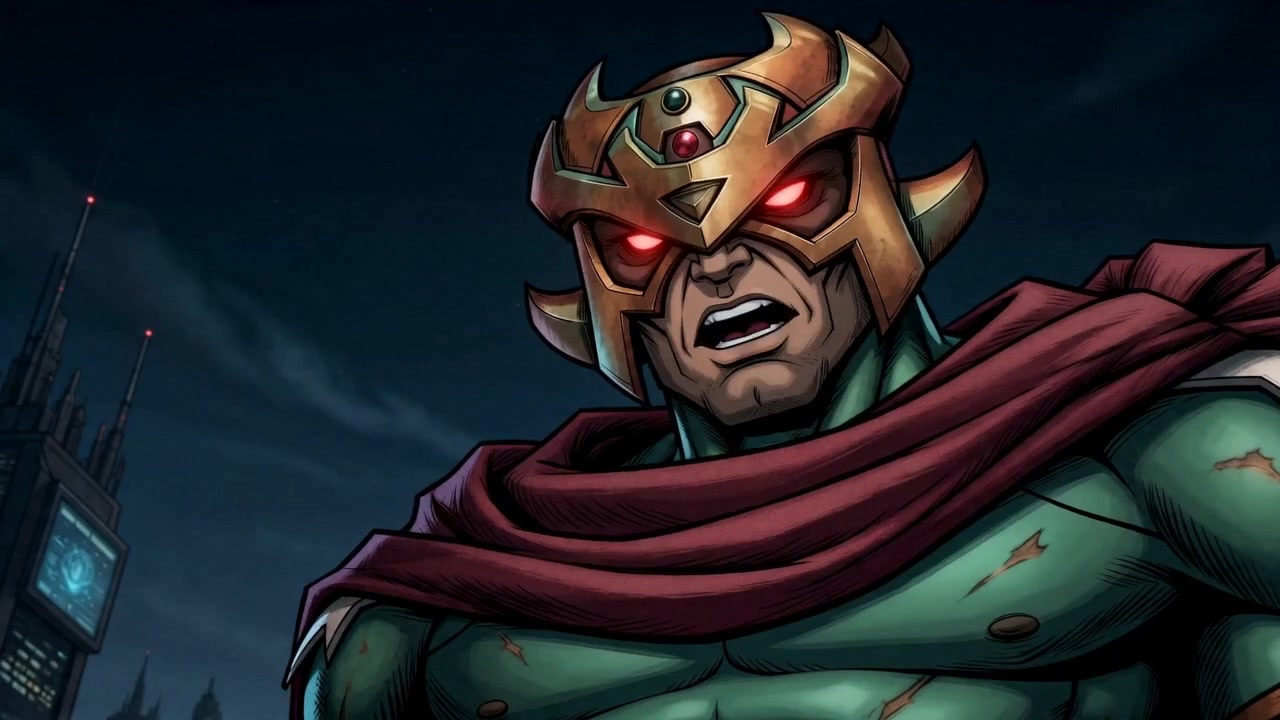
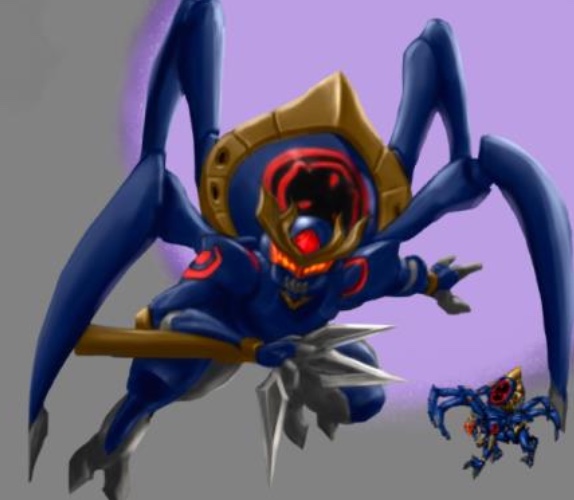
A book lives or dies on its faces. Sulver's Journey has more than one to get right: Genesis, the towering warrior who stands in Sulver's way, and Borge, the mechanical horror waiting at the end of the gauntlet. Each had to cross from page to screen without losing the silhouette fans recognize.
The test is simple. The published art is on the left, the rendered frame on the right. Same line, same colors, same read.

The result: the page in motion, and a publisher who'd do it again
The finished two-and-a-half-minute opening came back faithful to the original art, delivered with a written style-fidelity report so the match wasn't a matter of opinion. The agreed timeline was a 3-to-5 business-day window; the animation itself generated in under 8 hours. Vincent kept 100% of the work. We hold none of it.
This one was a paid engagement, and the customer was glad he did it.
I enjoyed the process. The software brought Sulver's Journey to life in a way that I didn't think was possible. The asset shows me what the entire show could look like once fully produced. Vincent Acampora, publisher, Sulver's Journey
Why it matters
If you've already published a comic or a graphic novel, this is the low-risk way into animation. You're not betting on a system inventing your style from scratch. The art already exists, and the job is just to keep it intact in motion. You approve the look first, you keep every right, and what comes back is your book, moving.
Jancroon proved we can build a world from concept art alone. Sulver's Journey proves we can take a finished one and keep it whole.
Have a published comic you've always wanted to see move?
Book a scoping call and walk away with a quote and a delivery date. Bring the book you already made, and we'll keep it yours.
Book a Demo